Commercial
The Lighting Assumptions That Cost More Than You Think
Some of the most expensive mistakes in a fit-out do not come from bad decisions. They come from decisions that felt completely reasonable at the time, based on ideas about lighting that are widely repeated but rarely examined.
These assumptions appear in briefs across every sector. Residential, commercial, hospitality. Small projects and large ones. They add cost, cause delays and produce spaces that do not perform the way they should.
Here are the most common ones, and what the reality actually looks like.
Assumption 1: Brighter Is Always Better
This is probably the most repeated misconception in lighting design, and it causes problems across almost every type of space.
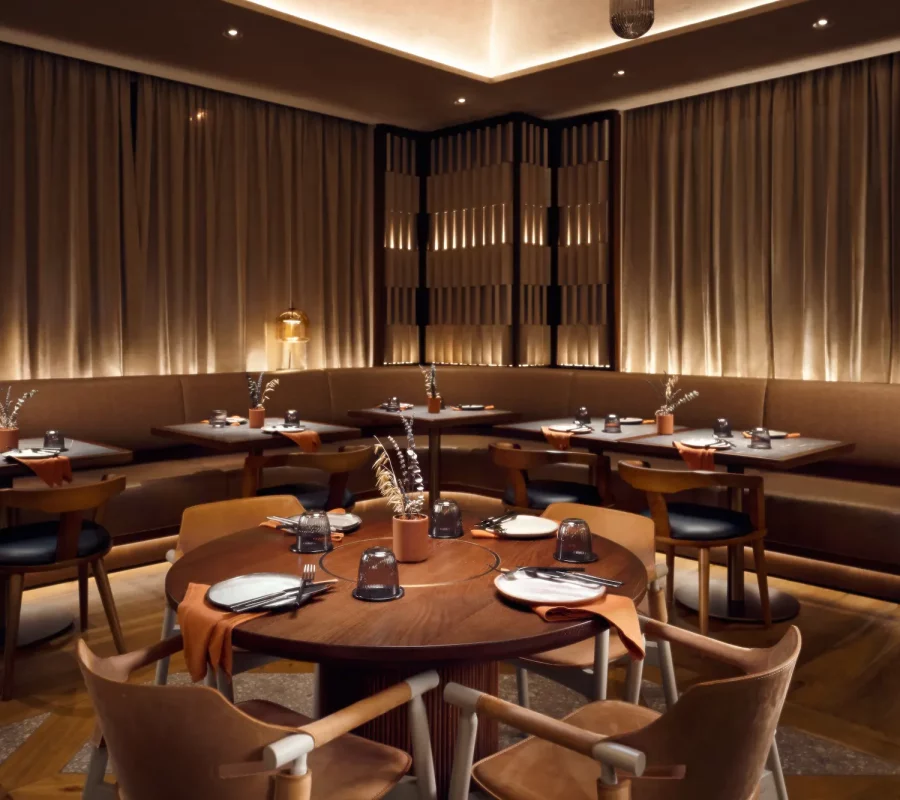
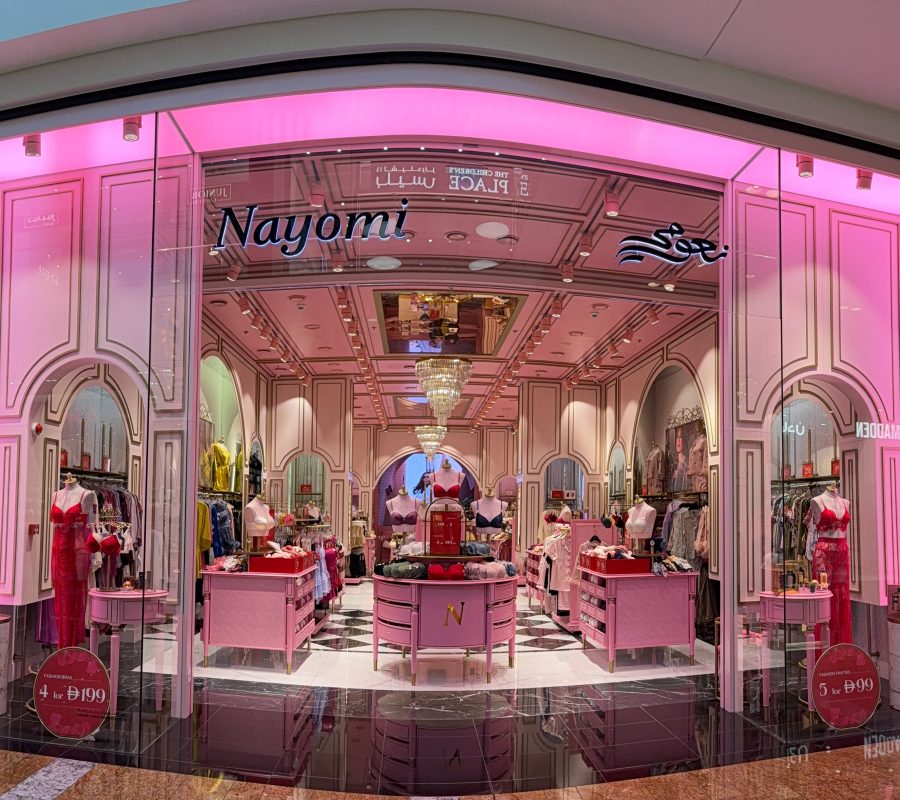
More light does not mean a better result. In a luxury retail environment, flooding the floor with high lux levels makes everything feel equally visible, which means nothing feels considered. In a restaurant, bright overhead light works against the atmosphere the brand is trying to create. In an office, excessive brightness without glare control leads to eye strain and reduced concentration rather than improved productivity.
The right question is never how much light can be added. It is how much light the space actually needs, and where it needs to fall.
Lighting design is about precision. The right output, in the right place, at the right level. More is rarely the answer.
Assumption 2: Lighting Can Be Sorted at the End
Lighting is treated as a finishing decision on more projects than it should be, and the consequences tend to show up at the worst possible moment.
The result is a space where conduit runs have not been planned, ceiling voids cannot accommodate the fittings specified, and control systems cannot be integrated because the infrastructure simply is not there.
Retrofitting lighting into a finished space costs significantly more than designing it in from the start. Access is harder, disruption is greater, and the result is almost always a compromise.
Architectural lighting design needs to be part of the conversation at the earliest stage of a project, alongside structural and mechanical decisions, not after them.
Assumption 3: LED Is Always the Cheapest Option
LED lighting is energy efficient and long lasting. That part is accurate. But LED covers an enormous range of products at an enormous range of quality levels, and the cheapest option is rarely the most cost-effective one over the life of a project.
A low-cost LED fitting with a poor-quality driver will fail earlier, cause flickering and create compatibility problems with dimming systems. Replacing it, particularly in a concealed installation inside a stretch ceiling or a built-in joinery detail, costs considerably more than the savings made at the point of purchase.
The right way to evaluate LED lighting is across the full lifetime of the installation. Initial cost is one factor. Driver quality, rated lifespan, warranty terms and maintenance access all carry equal weight.
Assumption 4: Installation and Maintenance Are Someone Else’s Problem
Wiring a fitting correctly and commissioning a lighting scheme are two different things. Lighting control systems, DALI protocols, dimming compatibility and building management system integration all require specialist knowledge that goes beyond a standard electrical installation. A scheme involving linear lighting or acoustic lighting across multiple zones is particularly unforgiving when commissioning has not been handled correctly.
The same thinking applies to maintenance. A driver failure in an inaccessible void, a section of neon flex LED with no removal detail, a light box with no access hatch — these are foreseeable problems. They are also avoidable ones, when maintenance access is considered at the design stage rather than after something fails.
Assumption 5: Colour Temperature Does Not Really Matter
It matters considerably, and the effects are immediate.
A space fitted with the wrong colour temperature will feel wrong before anyone can explain why. Cool white light in a hospitality environment makes guests feel uncomfortable. Warm light in a workspace designed for focused tasks reduces alertness. A mismatch in colour temperature between two adjoining spaces feels unsettling, even to people who cannot identify what the problem is.
Colour temperature also affects how materials and finishes are perceived. A fabric, a stone surface or a paint colour can look entirely different under 2,700K compared to 4,000K. In retail environments and hospitality venues where materials are central to the design intent, this is not a minor consideration.
Assumption 6: Decorative Fixtures Are Just for Aesthetics
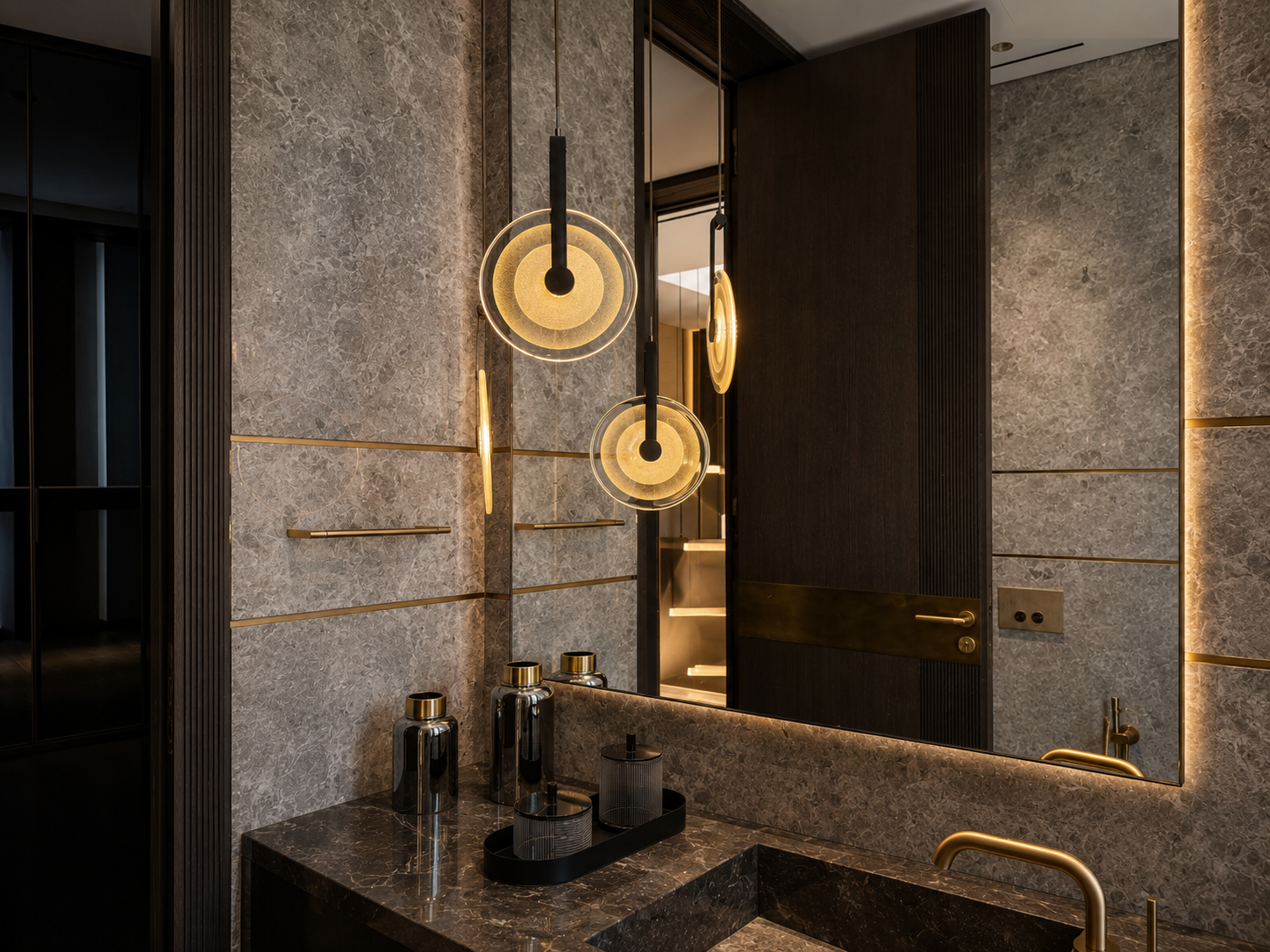
A well-chosen decorative light fixture does considerably more than look good. In a reception area, a dining room or a hotel lobby, it sets the tone of the entire space. It communicates the quality of the brand, the care that has gone into the design and the level of experience a visitor can expect.
Beyond appearance, statement fixtures often serve as the primary light source for a zone, direct attention to key areas and contribute to the acoustic character of a space when combined with appropriate materials.
Treating decorative lighting as purely visual and functional lighting as purely technical overlooks how the two work together in a well-considered scheme.
Assumption 7: LED Strip Lighting Is Only for Accent Use
LED strip lighting has a reputation as a supplementary product, something added behind a shelf or under a counter for effect. In reality, high-output LED strip is a primary light source in many architectural applications.
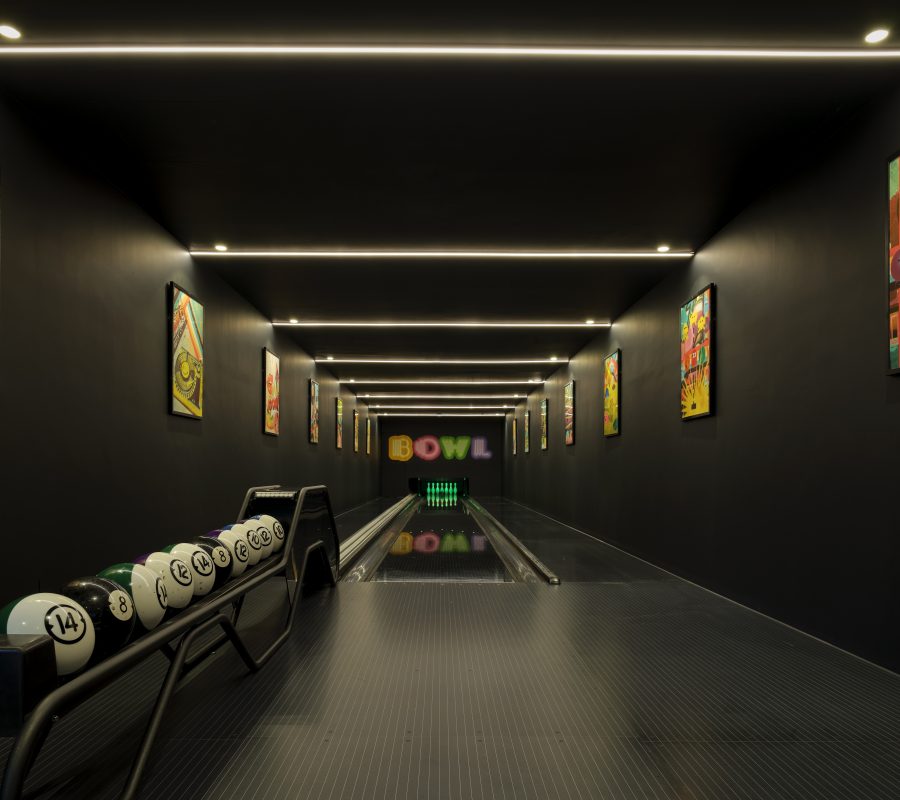
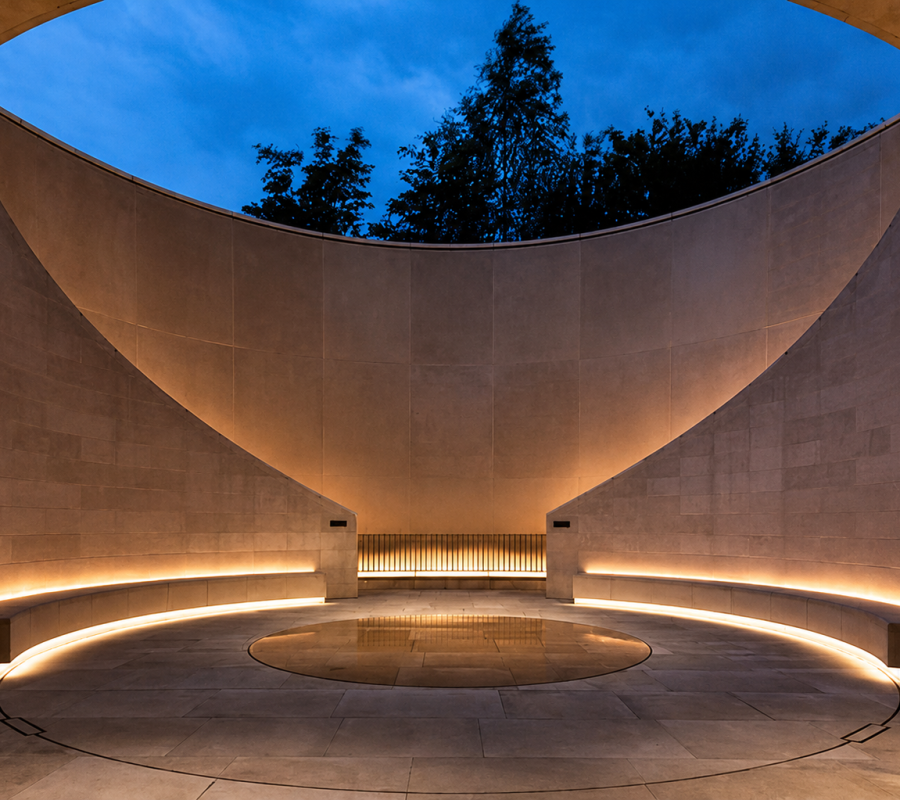
Integrated into ceiling profiles, used inside illuminated ceilings or concealed within joinery to wash a wall with even light, LED strip delivers continuous, seamless illumination that standalone fittings cannot replicate. The quality of specification determines the result. Low-grade strip with visible hot spots or inconsistent colour rendering produces exactly the outcome that gives the product its limited reputation.
Assumption 8: A Good Space Will Look Good Under Any Light
The finest materials, the most considered interior design and the most carefully chosen furniture will all be undermined by lighting that does not show them correctly.
Colour rendering index (CRI) affects how every surface in a room is perceived. A space lit with a low CRI source looks flat regardless of what is in it. Residential and commercial projects that invest in high-quality finishes deserve lighting that renders those finishes accurately. CRI 90 should be the minimum in any quality-led environment. CRI 95 and above is increasingly standard in premium retail and hospitality.
The Cost of Getting It Wrong
Each of these assumptions, taken individually, leads to a specific and identifiable problem. Taken together, they describe a project where lighting was not treated as the serious design and technical discipline it is.
The cost is not always immediate. Sometimes it appears at handover, when the space does not feel the way the render suggested it would. Sometimes it surfaces six months later, when a driver fails or a colour temperature mismatch becomes impossible to ignore. Sometimes it shows up in the energy bills.
Getting lighting right from the start is always less expensive than correcting it afterwards.
At No Grey Area, we work with architects, interior designers, developers and direct clients across residential, commercial and hospitality projects to make sure lighting decisions are made at the right stage, for the right reasons and with the right products.
If you are planning a project and want to make sure none of these assumptions make it into your specification, get in touch with our team. We are happy to talk through the brief at any stage.