Hospitality
Fibre Optic Ceilings: The Ultimate Guide for Designers and Specifiers
There are very few ceiling treatments that create an immediate, visceral response in the people who experience them. A fibre optic ceiling is one of them.
The effect, hundreds or thousands of individual points of light distributed across a ceiling surface to replicate the appearance of a star-filled sky, is one that works across a wide range of environments and a wide range of project types. It works in luxury residential spaces, in hotel spas, in swimming pool enclosures, in private cinemas and in high-end hospitality venues. It works because it creates something that no other ceiling treatment does: a sense of depth and atmosphere that transforms the entire character of a space.
This guide from No Grey Area covers what fibre optic ceiling systems are, how they work, how they differ from LED alternatives, where they are best applied and what to consider when specifying them.
What Is a Fibre Optic Ceiling?
A fibre optic ceiling system uses optical fibres, extremely thin strands of glass or plastic, to carry light from a central illuminator unit to individual points across a ceiling surface. Each fibre terminates at the ceiling face, creating a single point of light. Grouped together across a ceiling, these points of light create the appearance of a starfield.
The light source, typically an LED strip illuminator, sits away from the ceiling itself, usually in a ceiling void or service space. The fibres carry the light from the illuminator to the ceiling face without carrying any heat or electricity. This is one of the most important characteristics of the system and one that distinguishes it from LED alternatives in certain applications.
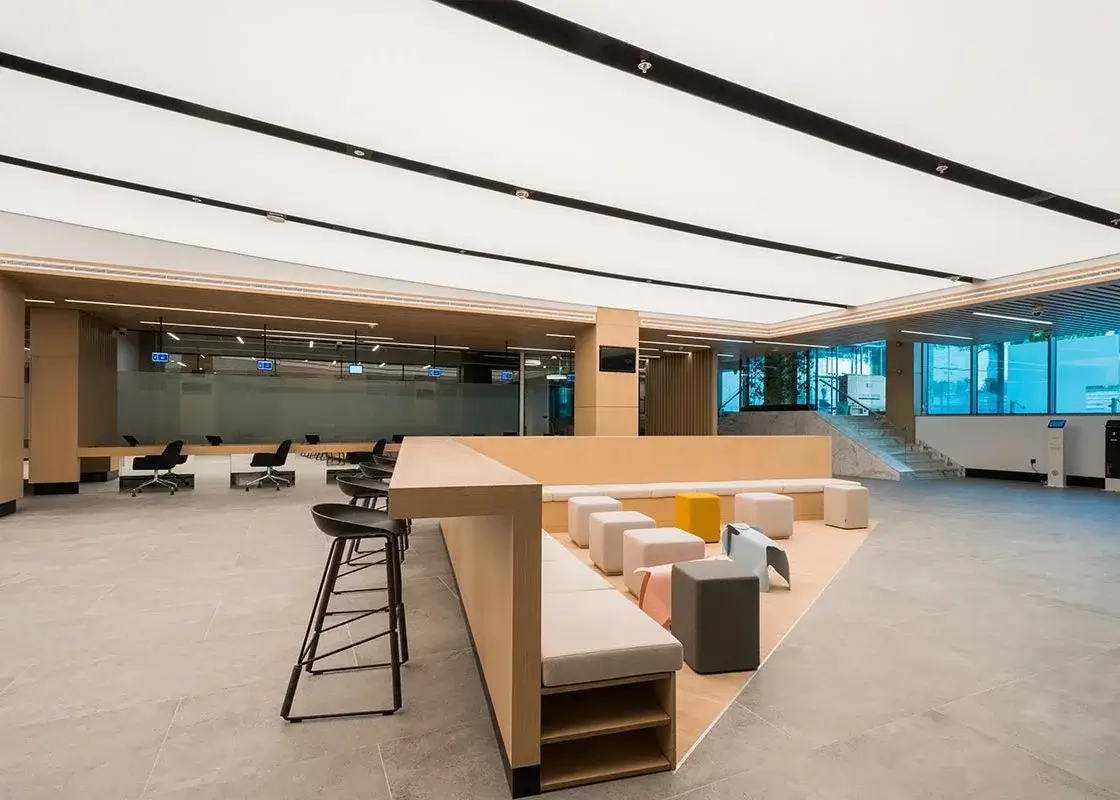
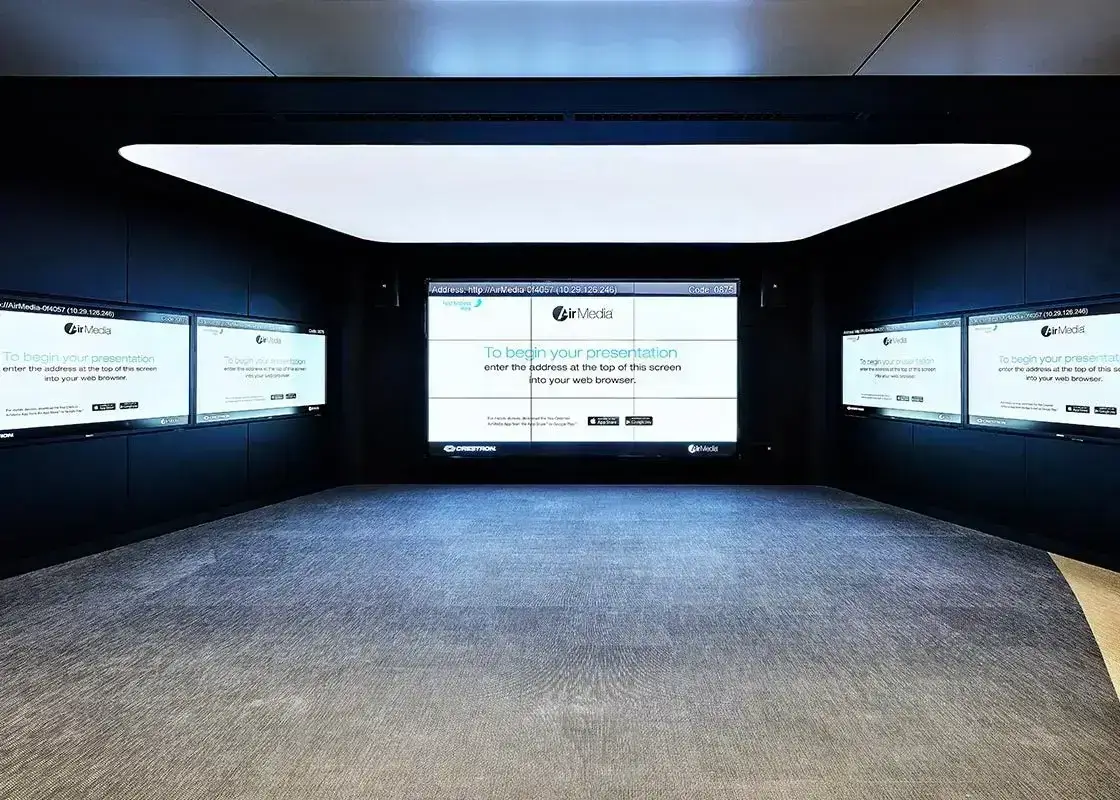
The fibres can be installed through a range of ceiling materials. In most architectural applications, they are installed through a stretch ceiling membrane, which provides a smooth, seamless surface through which the fibre tips emerge. The result is a ceiling that appears to glow from within rather than one that has visible fittings or hardware.
How Fibre Optic Ceilings Differ From LED Alternatives
Both fibre optic systems and LED lighting can create point-source ceiling effects, but the two technologies work differently and suit different applications.
Heat and electricity at the ceiling face
The most significant technical difference is that fibre optic systems carry no heat or electricity to the ceiling face. The illuminator unit generates both, but they remain in the service void. Only light travels along the fibre.
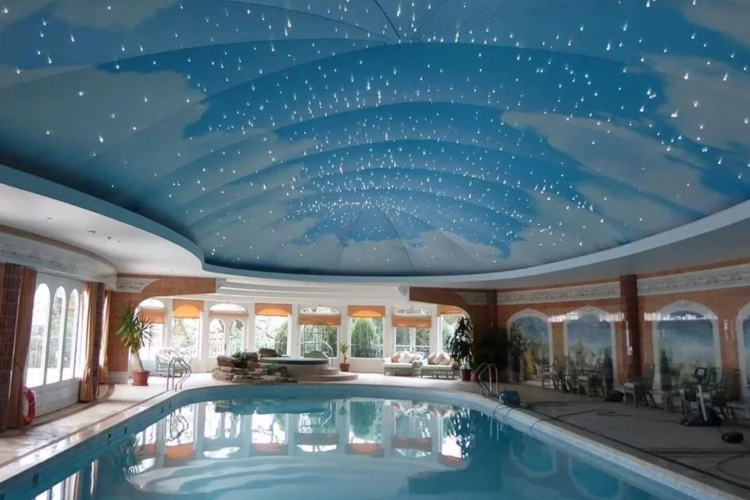
This makes fibre optic ceiling systems the preferred choice in environments where heat or electrical components at ceiling level present a risk or a practical challenge. Swimming pool ceilings are the clearest example. In a humid, chlorine-rich pool enclosure, installing electrical components at ceiling level requires careful consideration of IP ratings, condensation and long-term reliability. A fibre optic system removes that concern entirely, as there are no electrical components above the pool itself.
Maintenance
With a fibre optic system, the only component that requires maintenance is the illuminator unit, which is located in the service void. Individual fibres do not fail in the way that LED point sources can. This makes maintenance simpler and less disruptive, particularly in installations where ceiling access would otherwise involve significant disruption to the space below.
Colour and dynamic effects
Modern illuminator units allow colour to be introduced into the light that travels along the fibres, creating dynamic colour-changing effects across the ceiling. This is particularly effective in hospitality environments and feature spaces where the ability to shift the mood of a ceiling across the course of an evening adds a layer of experience that static lighting cannot provide.
Scale and density
The density of fibre points across a ceiling can be varied to create different effects, from a sparse, minimal starfield to a dense, immersive night sky. This flexibility makes the system adaptable to a wide range of ceiling sizes and design intentions.
Where Fibre Optic Ceilings Work Best
Fibre optic ceiling systems are used in a range of different environments to enhance a space because of their unique properties.
Swimming pools and wet environments
The absence of heat and electricity at the ceiling face makes fibre optic ceiling systems the most practical and reliable choice for pool enclosures and other wet environments. When combined with a swimming pool stretch ceiling membrane designed for humid conditions, the result is a ceiling that is both visually striking and genuinely suited to the environment it is installed in.
Hospitality and spa environments
In hotel spas, treatment rooms, relaxation areas and high-end hotel suites, a fibre optic ceiling creates an atmosphere that supports the experience the brand is trying to deliver. The effect is calming, immersive and distinctive. Combined with control solutions that allow colour and intensity to shift across the day or across different service periods, a fibre optic ceiling becomes a dynamic part of the hospitality experience rather than a fixed feature.
Private cinemas and entertainment spaces
The starfield effect is a natural fit for private cinema design. It creates an immersive environment without introducing visible hardware or light sources that would interfere with the screen or the viewing experience. The ceiling becomes part of the room’s atmosphere rather than a neutral backdrop.
Luxury residential spaces
In master bedrooms, dressing rooms, bathroom ceilings and bespoke feature spaces within high-end residential projects, a fibre optic ceiling is one of the few treatments that creates a genuinely memorable experience. It works particularly well in rooms with lower ceilings where the proximity of the starfield effect creates a stronger sense of immersion.
Feature and reception spaces
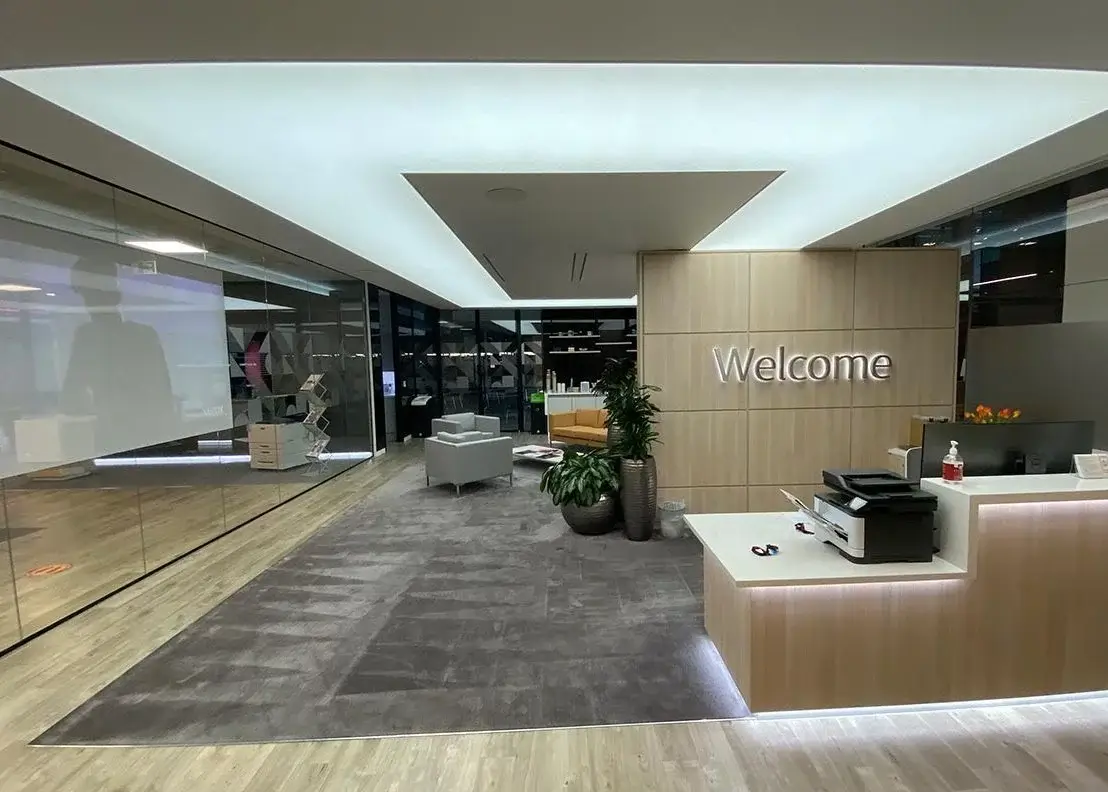
In commercial lobbies, reception areas and feature corridors, a fibre optic ceiling creates an immediate impression that other ceiling treatments cannot replicate. Combined with illuminated ceiling panels or reflective ceiling elements, it can form part of a layered ceiling design that creates depth and visual interest across a large space.
Key Things to Specify
A fibre optic ceiling system has fewer components than a conventional lighting installation, but each one carries more consequence. The illuminator unit, the fibre density, the ceiling membrane, the void depth and the control interface all need to be resolved before installation begins, not during it. The decisions made at the specification stage determine whether the finished result matches the design intention or falls short of it. The following points cover what to confirm, what to ask and what to resolve early.
Illuminator unit quality and lifespan
The illuminator is the heart of the system. Its quality determines the brightness, colour consistency and long-term reliability of the installation. Confirm the rated lifespan of the illuminator unit and ensure that replacement units are available from the supplier. An illuminator that cannot be replaced or sourced easily becomes a significant problem when it eventually reaches end of life.
Fibre density and distribution
The number of fibres per square metre and how they are distributed across the ceiling determines the character of the starfield effect. A denser distribution creates a more dramatic, immersive result. A sparser distribution reads as more refined and minimal. This should be agreed with the client at the design stage and confirmed in the specification before installation begins.
Colour changing capability
If the brief requires dynamic colour effects, confirm that the illuminator unit supports colour changing and that the control interface is compatible with any wider smart lighting control system in the project. Not all illuminator units offer the same range of colour or the same level of control.
Ceiling membrane compatibility
In most architectural metalwork applications, fibres are installed through a stretch ceiling membrane. Confirm that the membrane selected is compatible with the fibre installation process and that the installation sequence has been coordinated between the ceiling installer and the fibre optic supplier.
Void depth and access
The illuminator unit needs to be located in a ceiling void or service space with sufficient depth to accommodate it. Access to the illuminator for maintenance and eventual replacement needs to be planned at the design stage. Confirm void depth requirements early and ensure that access provisions are included in the ceiling design.
IP rating for wet environments
In pool and spa applications, confirm the IP rating of all components that sit within the humidity zone. While the fibres themselves carry no electricity, the illuminator unit and any associated cabling need to be specified and positioned correctly relative to the wet zone boundaries.
A Ceiling That Does More Than Cover a Room
A fibre optic ceiling is not a standard specification choice, and it is not intended to be. It suits projects where the brief calls for something that creates a genuine experience, where the ceiling is understood as part of the design rather than a functional surface above the lighting.
In the right application, it delivers an effect that no other ceiling treatment can. The key is understanding where it works, what it requires and how to specify it correctly so that the result on site matches the intention on the drawing board.
At No Grey Area, we work with architects, interior designers and specifiers across residential, commercial and hospitality projects to specify and deliver fibre optic ceiling systems that are right for the environment and the brief.
To find out how No Grey Area can support your next project, get in touch with our team.