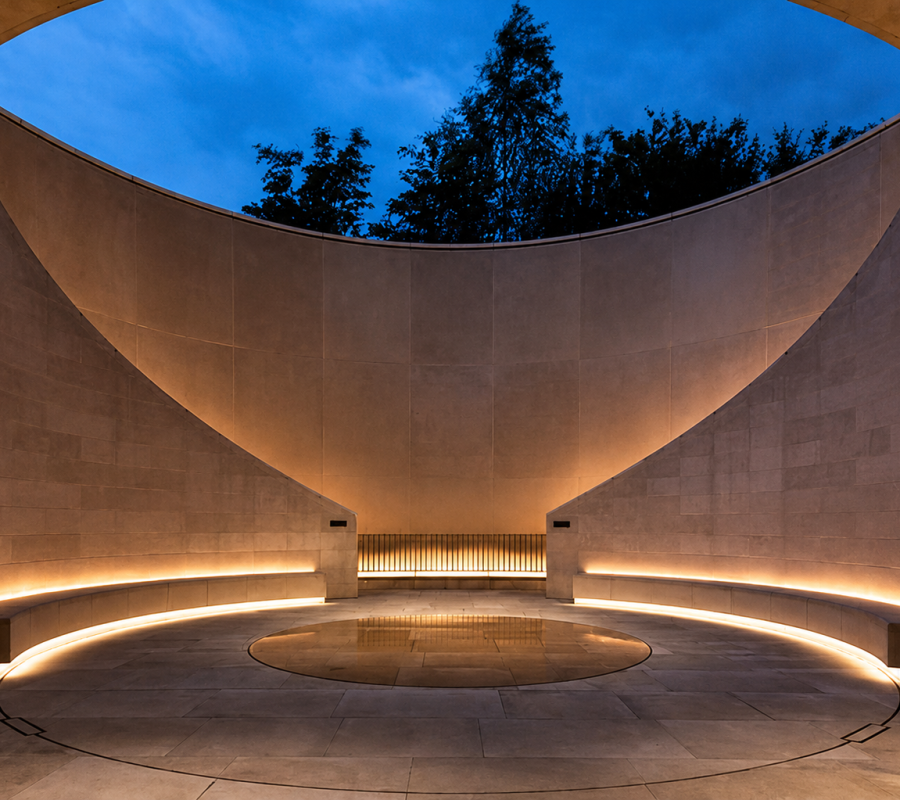
Why Lighting Is the Last Thing People Plan and the First Thing They Notice
Walk into any room and something happens before you’ve had time to think about it. You feel the space before you see it. Not the furniture, not the finishes, not the artwork on the wall. The light hits you first. It tells you whether to relax or stay sharp, whether to linger or move on. And yet, across residential, commercial and hospitality projects, lighting is almost always the last thing people plan. It gets whatever is left in the budget and treated like a utility rather than a real design decision.
That’s one of the most common and costly mistakes made in interior lighting design.
How Light Affects the Way We Feel in a Space
Light is not neutral. Research in neuroscience and environmental psychology shows that the quality, colour temperature and direction of light have a direct effect on mood, how big or small a space feels, and even how well people think and work. Warm, low-level light helps people feel calm and at ease. Cooler, brighter light promotes focus and energy. Shadows and contrast add depth and interest. Flat, even light does the opposite; it flattens a space and the experience of being in it.
This is biology, not opinion. For thousands of years, people lived under natural light that shifted throughout the day, from warm morning tones to the cooler light of midday. Our bodies are still wired to respond to those changes. When architectural lighting design reflects that kind of sensitivity, people feel more comfortable in the space, often without knowing why. When it doesn’t, something feels off, and most people will never be able to put their finger on it.
That’s the core problem. Because our response to light is largely instinctive, we don’t consciously credit it when a space feels great. People can’t point to a light fitting and explain why they love a restaurant. They just know they want to go back. They stayed longer than they planned. They took a photo. Lighting does its best work invisibly, and that’s exactly why it gets left until last.
Why Lighting Always Gets Pushed to the End
Most interior projects follow the same order: structure first, then surfaces, then furniture, then fittings. Lighting comes at the end, once all the major decisions have been made and most of the budget has been spent.
There are two reasons for this. The first is money. By the time lighting comes up, funds are tight. Quick decisions get made, standard products get specified, and the chance to use custom lighting solutions as a real design tool is gone. The second is knowledge. Lighting design is a specialist area. Without that expertise involved from the start, it becomes a compliance task rather than a creative one.
What’s lost is the potential for the space to perform at a much higher level to communicate its purpose clearly, to support the people in it, and to leave a lasting impression. Of all the elements in a fit-out, lighting consistently delivers one of the highest returns when it comes to how a space is perceived and experienced. The evidence is there. The habit of acting on it is not.
What Good Lighting Can Do to a Space
The best way to understand what lighting can achieve is through real examples. Think spaces where changing the light changed everything.
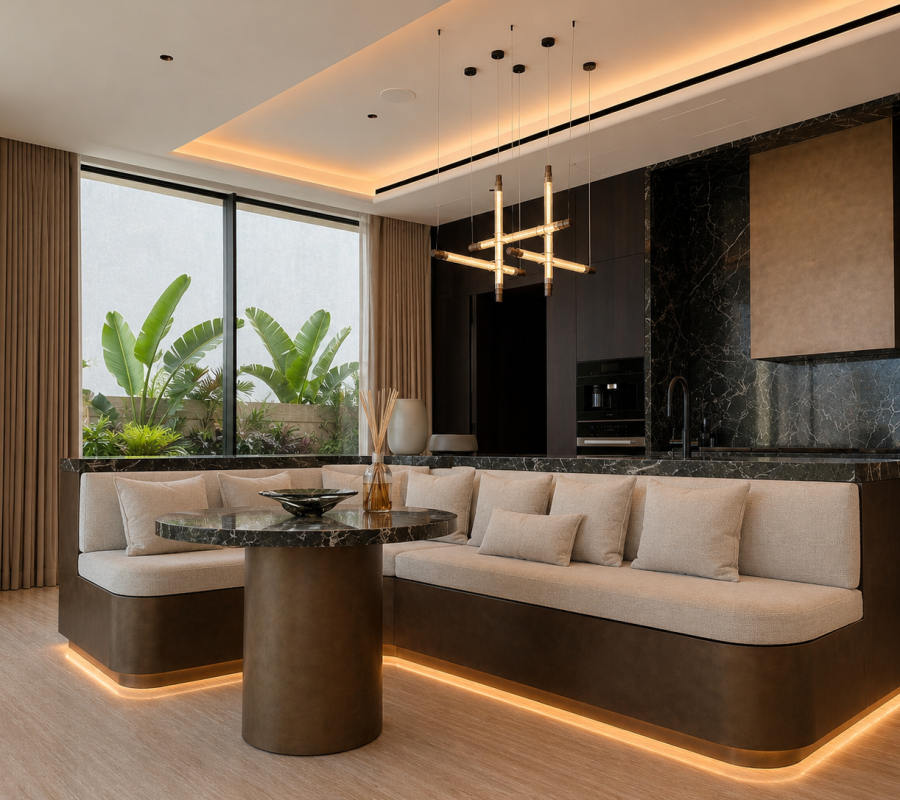
Take a domestic kitchen. With a single overhead light, it works. Add LED strip lighting under the cabinets and the whole room shifts. Work surfaces are clearly lit, the warmth of the materials comes through, and the kitchen becomes a space you actually want to spend time in. Nothing else has changed. Just the lighting.
The same applies in open-plan offices. A workspace with a well-specified linear lighting system delivers something a standard ceiling grid simply can’t: consistent light across a varied floor plan, the ability to define different zones, and a visual finish that signals a considered space. Where one scheme is functional and forgettable, the other actively supports the people working in it.
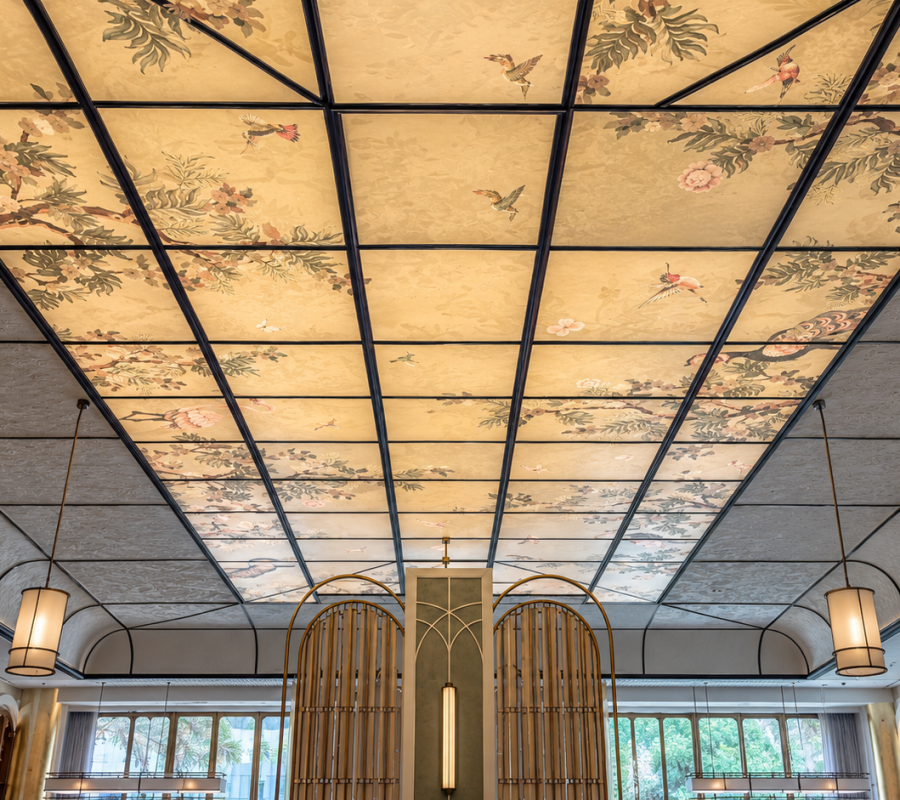
In boardrooms and client-facing spaces, a lightbox ceiling changes the feel of the room entirely. Even, warm, diffused light, supported by accent lighting around the edges, creates an environment that feels purposeful and professional. Generic downlights simply cannot do the same job.
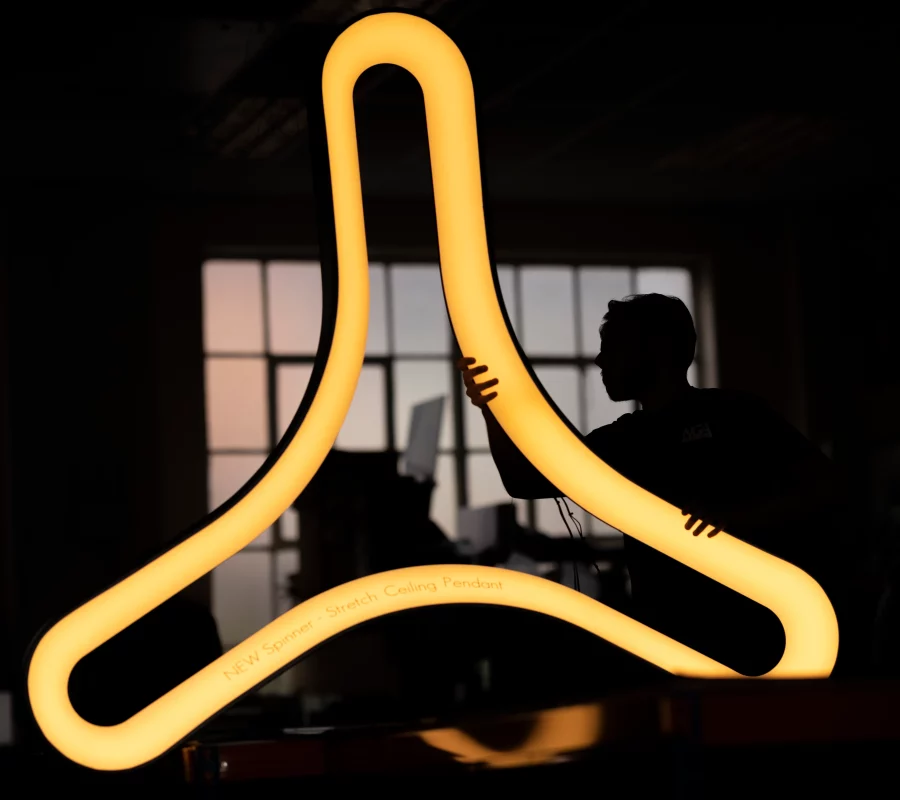
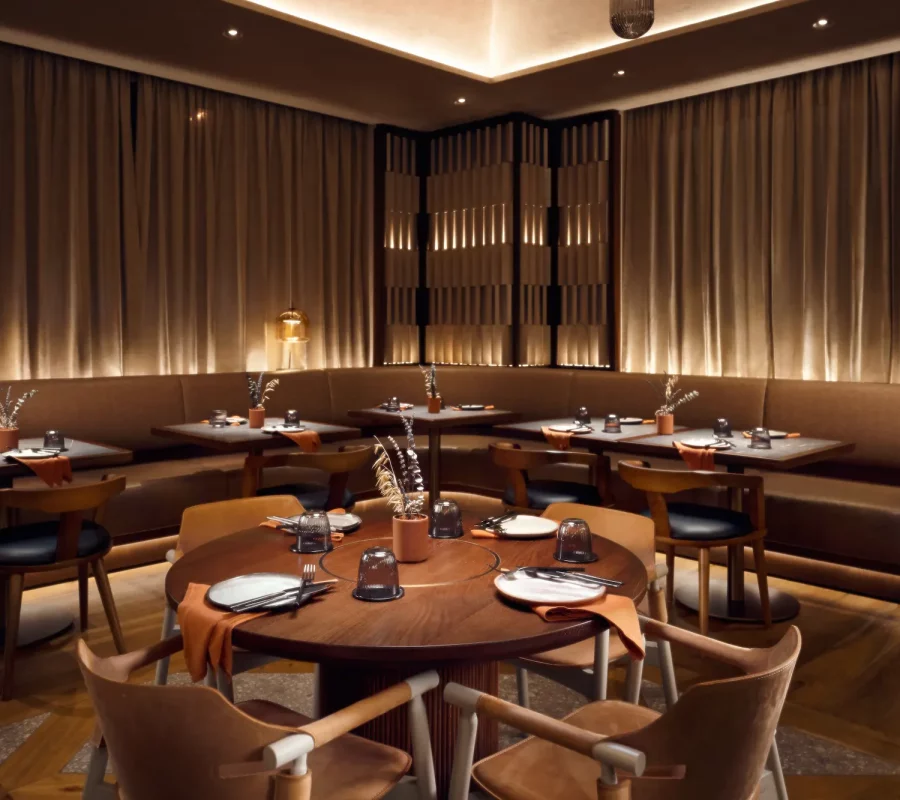
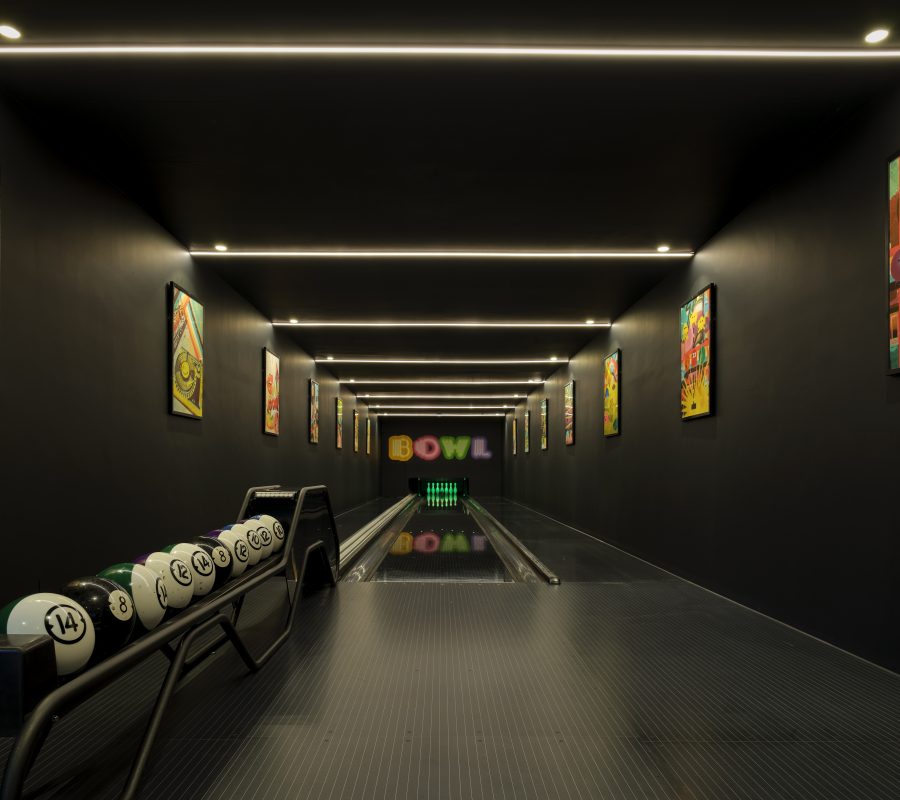
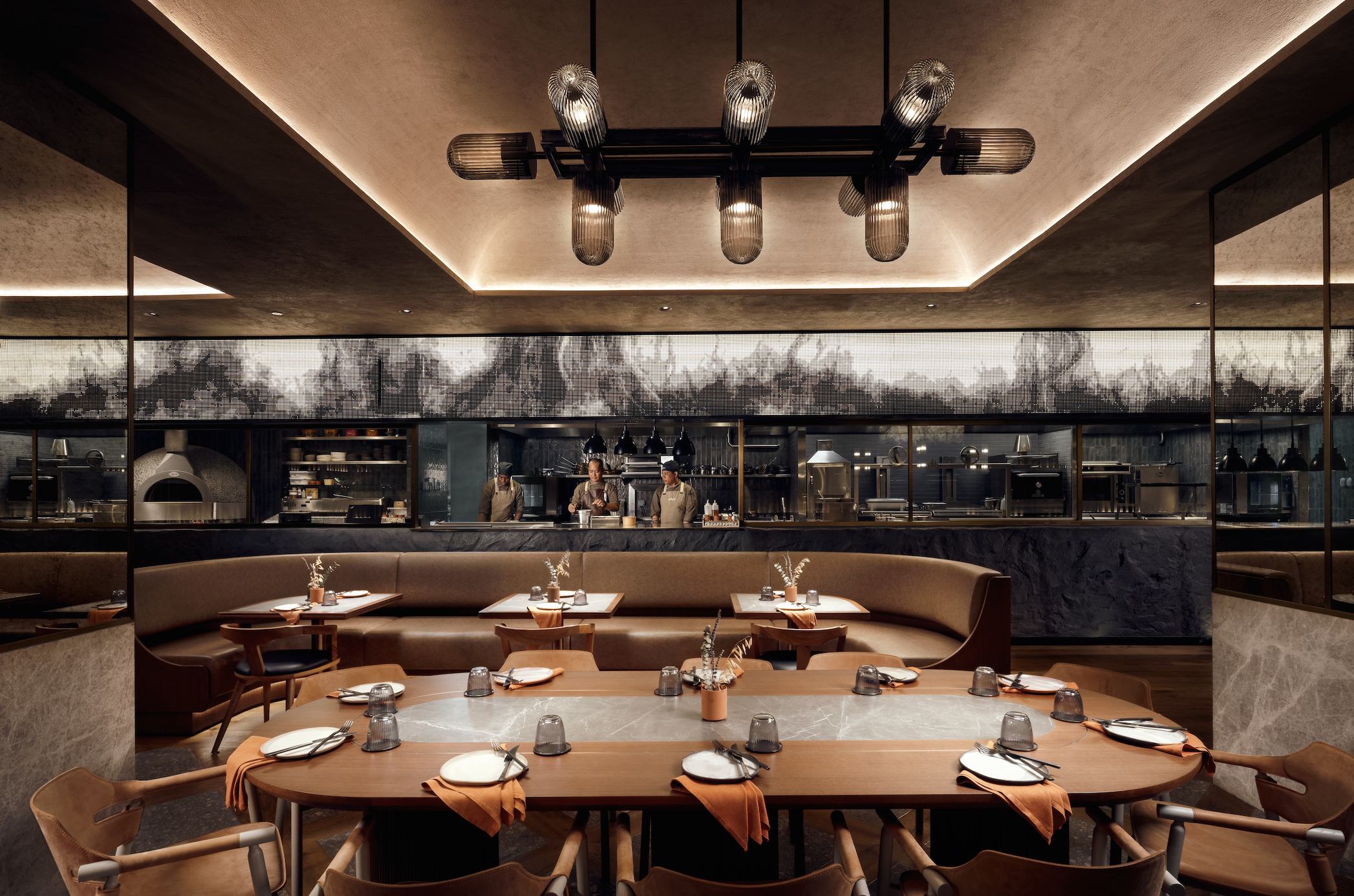
In hospitality lighting design, this is better understood than anywhere else. The hotels, restaurants and wellness spaces that people keep coming back to invest seriously in their lighting. They know that atmosphere is what people are really paying for. Neon flex LED can trace an architectural detail and add drama without any structural work. A sculptural ring pendant lighting installation becomes the visual centrepiece of a dining room, the thing guests remember and describe to friends. And in spaces with exposed ceilings and hard surfaces, acoustic lighting solves two problems at once, managing sound and delivering great light within a single, well-designed element.
For commercial lighting design projects, the right decorative light fixtures can communicate a brand’s identity before anyone has read a word on the wall. These are not finishing touches. They are design decisions that define the space.
Lighting Is Always the First Impression
There’s no second chance at a first impression in a physical space. The moment someone walks through the door, a rapid, instinctive read of the space has already happened. Light has told the story before anything else has had the chance to. It sets the tone, creates the mood and shapes everything that follows.
The spaces that people remember, share and return to almost always have one thing in common: they were lit with intention. The teams behind them understood that the goal wasn’t just to make the space visible. It was to make it felt in a particular way, and they made architectural lighting design a priority from day one, not a line item added at the end.
If you’re currently planning or refurbishing a space, bring lighting into the conversation early. Not as a final checkbox, but as a foundational decision that shapes everything else. The investment is smaller than most people expect. The difference it makes is bigger than most people imagine.
Lighting is, almost always, the last thing people plan. It is, without exception, the first thing they notice.
To find out how No Grey Area’s interior lighting design services and custom lighting solutions can transform your next project, browse our full lighting range or contact our team.