Why Lighting Is Finally Being Treated as Infrastructure and What That Changes About Every Project
That sequence is changing. Projects that have adopted a different approach tend to show it in their coordination, their detailing and the range of solutions that were actually possible.
From Finish to Foundation
Lighting is increasingly being treated as a coordinated building-system decision rather than a decorative finish. It now sits alongside mechanical, electrical, structural and acoustic considerations, not because lighting carries the same regulatory status as each of those disciplines, but because early decisions in those areas directly shape what the lighting can achieve.
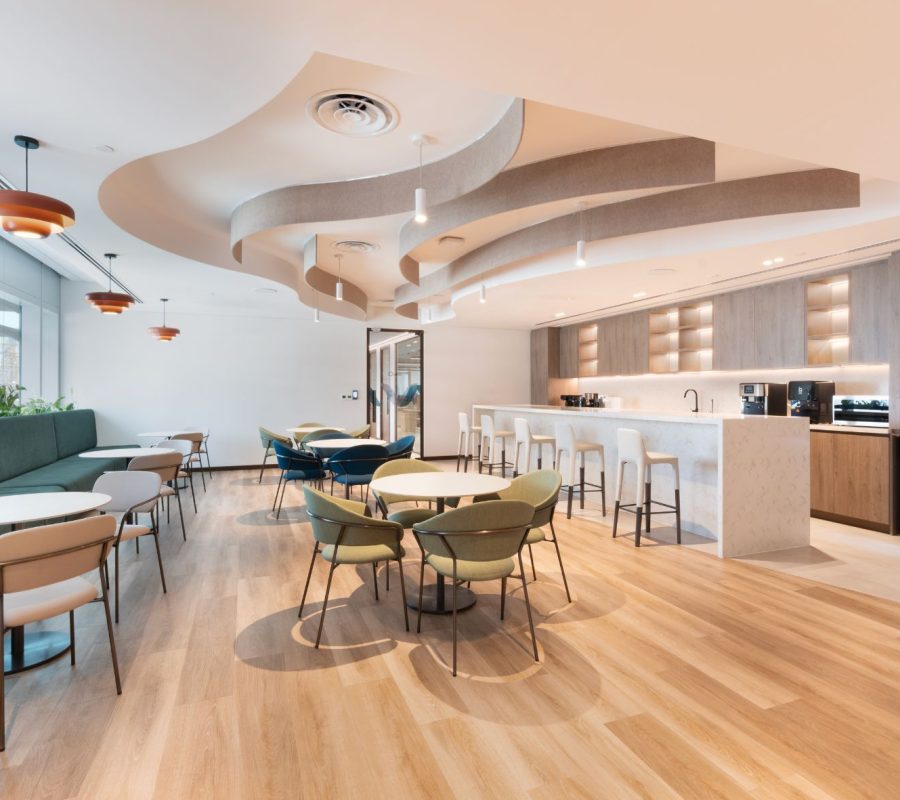
Ceiling void depth can determine which lighting products are viable. Structural fixing points can determine where feature installations can be located. Driver access, control equipment and sensor coverage can all affect the ceiling and electrical design. These are not decisions to leave until the end. They need to be coordinated with the architecture, structure and services from the beginning.
In the UAE, where project programmes move faster and structural decisions are locked in earlier than in most markets, this principle matters more, not less. The window for influencing what the lighting can be is shorter, which is precisely why the conversation needs to happen at the start of the brief.
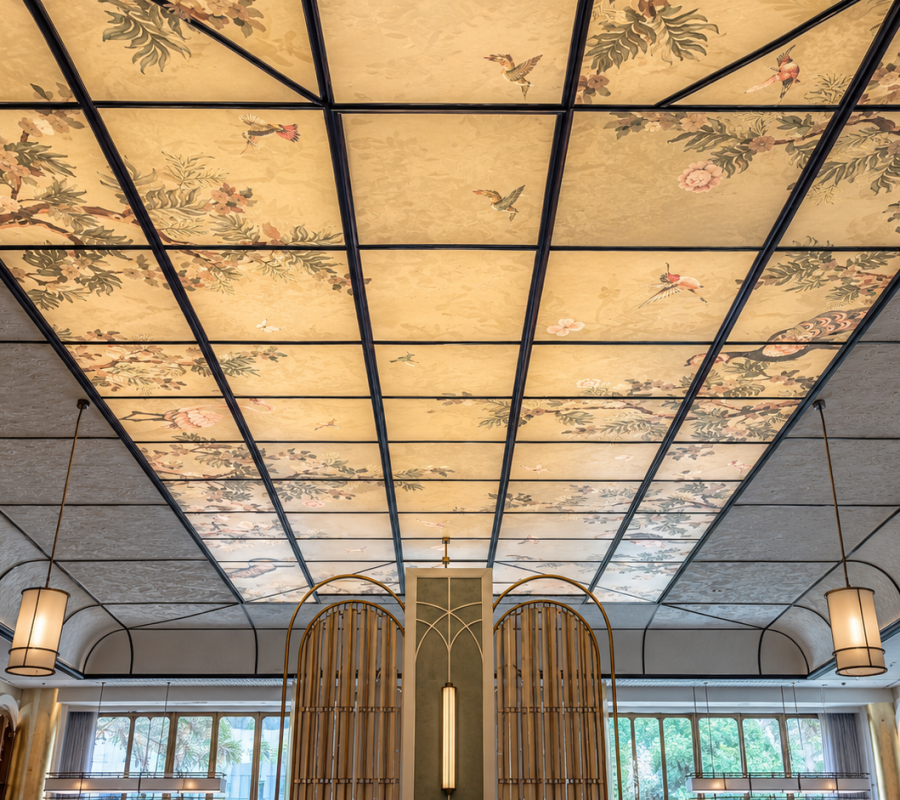
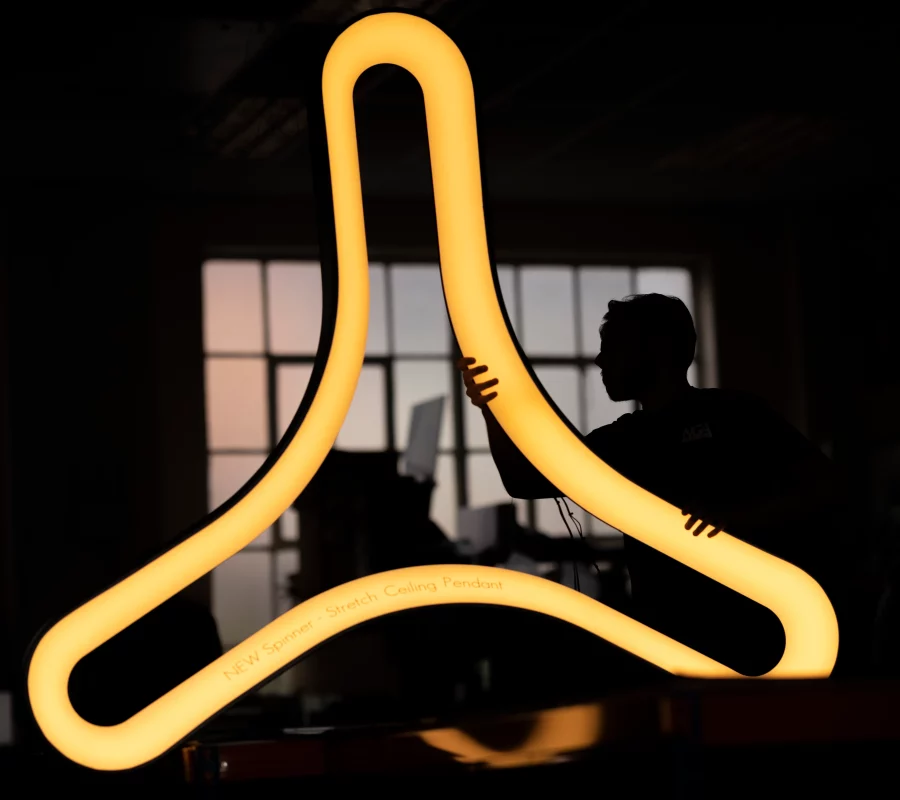
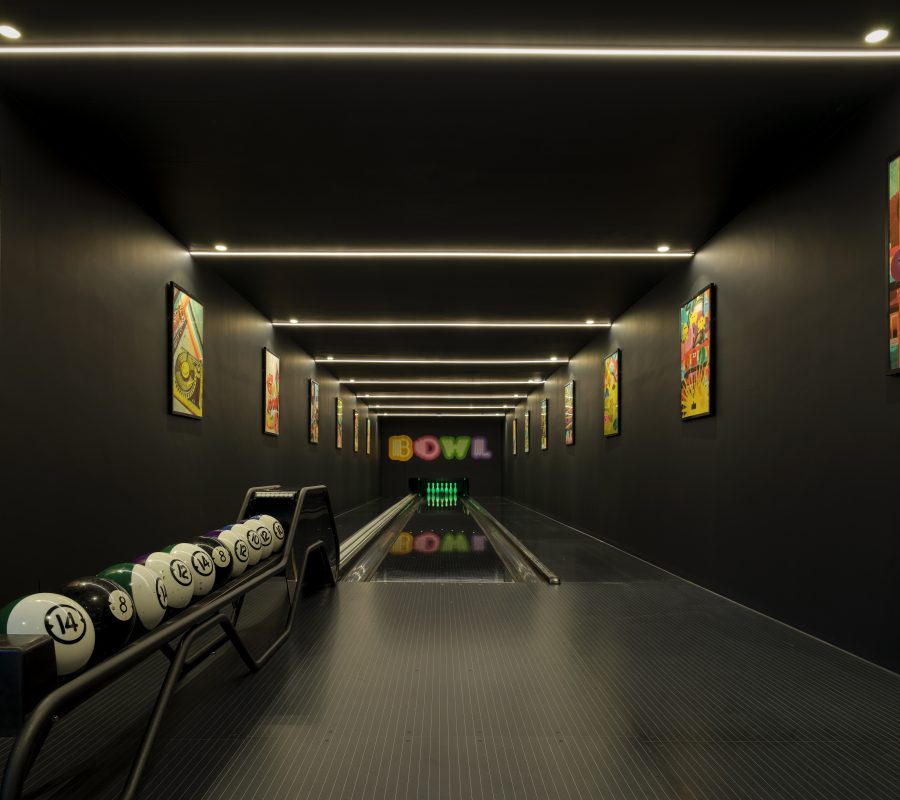
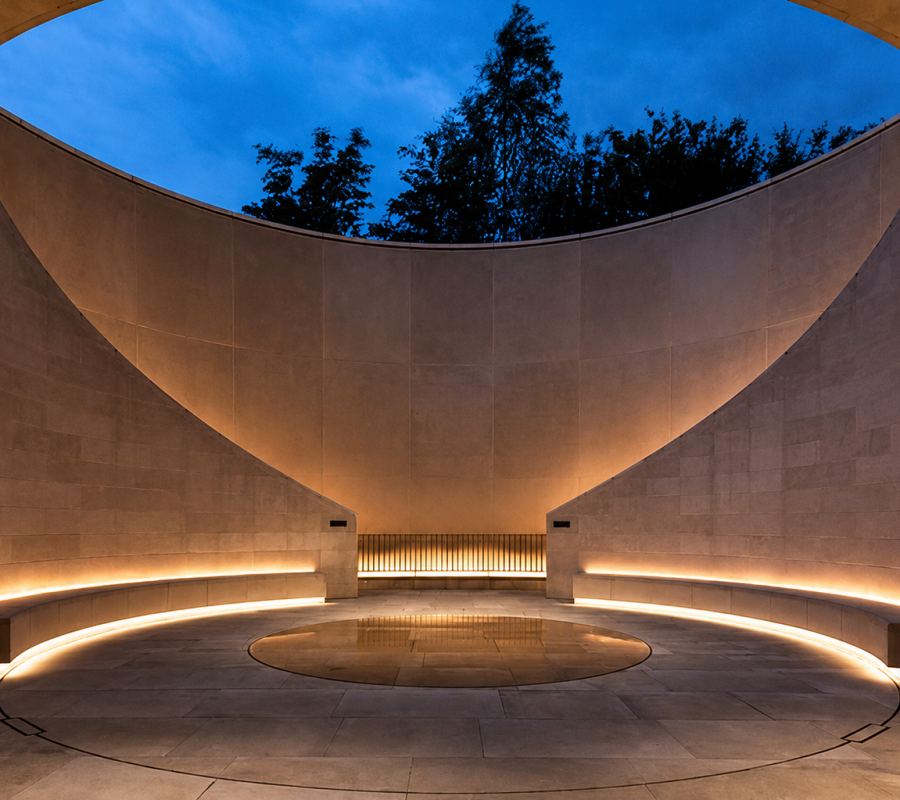
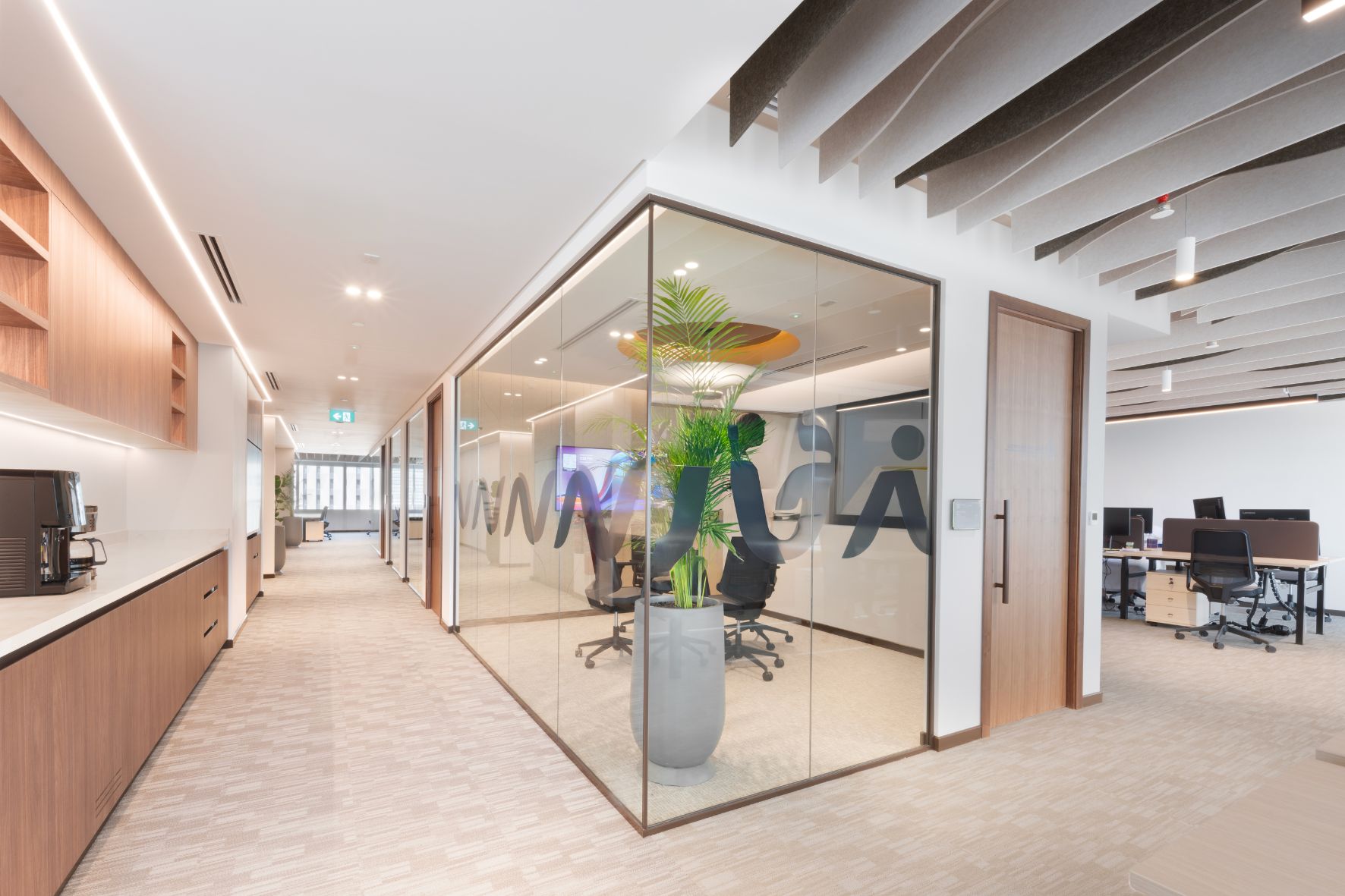
When lighting design is part of that conversation from the outset, the options are wider. A linear lighting system integrated into the ceiling architecture rather than surface-mounted. Control infrastructure designed in rather than added later. A feature installation supported by the structure rather than compromised to fit what is already there.
What Triggered the Shift
Three things have moved lighting from the finish schedule into the building-system conversation.
The first is control systems. DALI-2, Casambi and building management system integration have made lighting controls dependent on decisions about power, driver locations, control zones, sensor coverage, network interfaces and commissioning. Some systems reduce the need for dedicated control cabling, but none removes the need for early coordination. These requirements need to be in the ceiling, electrical and digital services design from the outset. Otherwise the project is left with compromises that are expensive or difficult to correct later.
The second is sustainability and wellbeing compliance. Across the UAE, Estidama Pearl and Al Safat address energy performance and sustainability in the built environment. BREEAM and WELL may introduce additional requirements relating to visual comfort, daylight, lighting quality, controls and occupant wellbeing. Depending on the project and certification route, this may require calculations, product information, design evidence, commissioning records and post-installation checks. The lighting strategy needs to be resolved early enough to inform energy modelling, visual comfort assessments and approvals, not selected after the principal design decisions have been made.
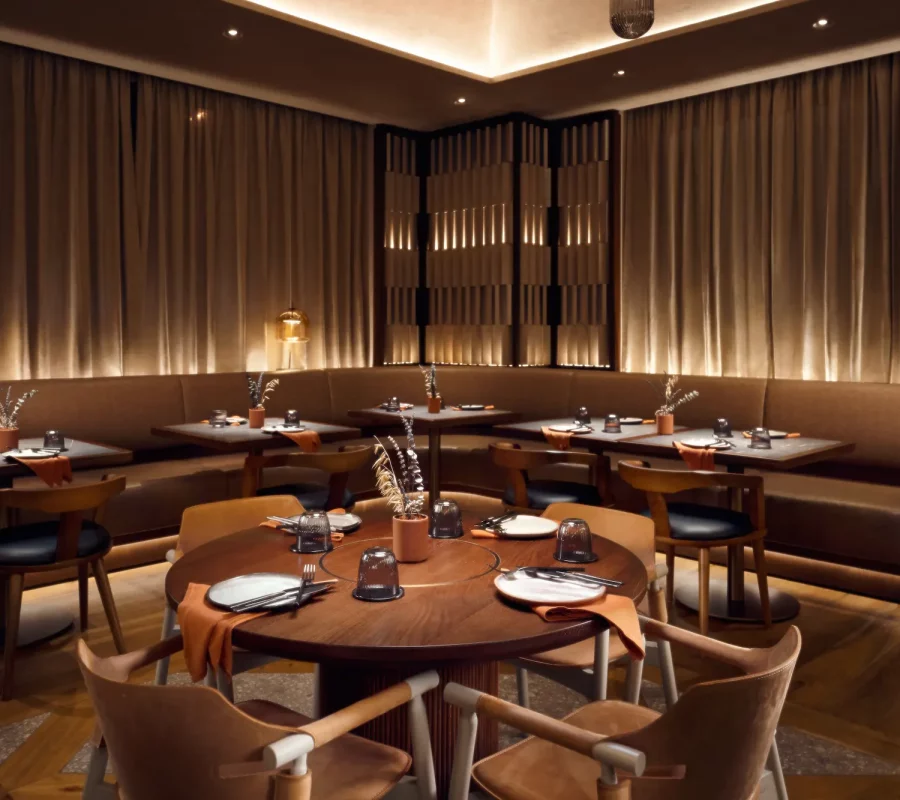
The third is client expectation. In hospitality and commercial projects, lighting is increasingly recognised as part of the visitor experience, brand identity, workplace quality and asset value. Across Dubai and Abu Dhabi, where landmark hospitality and mixed-use projects have raised the bar for what considered lighting looks like, clients who have seen what coherent, well-controlled lighting delivers are less willing to accept a late-stage solution. Meeting that expectation requires the lighting brief to begin early enough for architecture, interiors, services and operations to develop together.
What It Changes About the Conversation
When lighting is part of the building system, the conversation with a lighting supplier changes. It starts earlier, covers more ground and involves more of the project team.
The questions are different. Not which fitting works best in this position, but what does the ceiling void allow, what control protocol is the building management system running, what illuminance, uniformity and glare criteria apply to the project’s certification requirements, and what structural capacity exists for the feature installation above the reception desk.
These are not questions that can be answered at the end of a project. They shape the project from the beginning. And they are the reason that the most considered architectural lighting schemes, the ones that feel like they belong to the architecture rather than sitting in front of it, often start with a conversation that happens much earlier than the lighting schedule suggests it should.
At No Grey Area, we work with architects, developers and interior designers across commercial, hospitality and residential projects in the UAE and UK from the earliest stages of the brief. Get in touch with our team to find out how early involvement changes what is possible on your next project.