How Lighting Design Has Changed in the Last Decade and Where It’s Heading Next
Ten years ago, the conversation in a lighting design meeting sounded very different. Discussions centred on wattage, lamp replacement schedules and whether a halogen source could be dimmed without flickering. The palette of options was narrower, the technology was slower to evolve and the idea that lighting could meaningfully affect human health was considered a niche concern rather than a mainstream specification requirement.
A decade on, the industry is almost unrecognisable. The shift has not been gradual, it has been a series of accelerations, each one building on the last, each one raising the expectations of architects, interior designers and end clients alike. Understanding how we got here matters, because it explains where the next wave of change is already taking shape.
From Halogen to LED; The Change That Rewrote Everything
The transition from halogen to LED lighting was the defining shift of the last decade and its implications went far beyond energy efficiency. When LED technology matured to the point where colour rendering, dimming performance and beam control could genuinely compete with the warm, rich quality of halogen, the entire economics of architectural lighting design changed overnight.
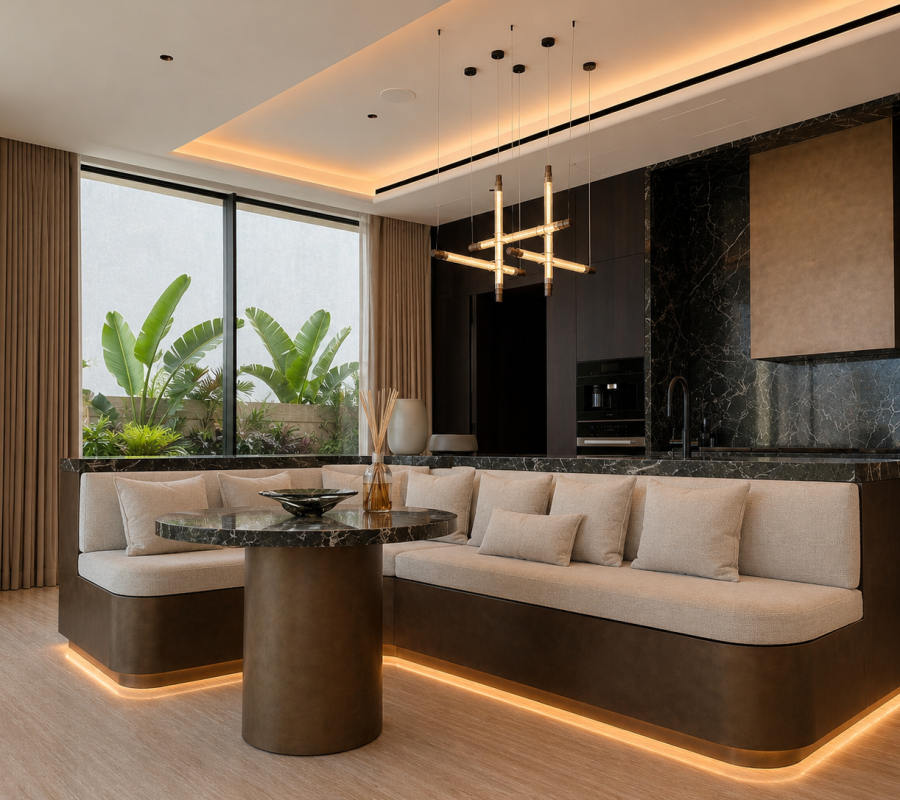
Lamp replacement cycles that once ran to months now extend to years. Heat output dropped dramatically, opening up applications, particularly in stretch ceiling installations and close-contact joinery lighting that were previously impractical. The form factor shrank, giving designers freedoms they had never had before. Suddenly light sources could be integrated into surfaces, recessed into profiles no wider than a finger, or concealed entirely behind translucent membranes to create the impression of a glowing ceiling rather than a lit one.
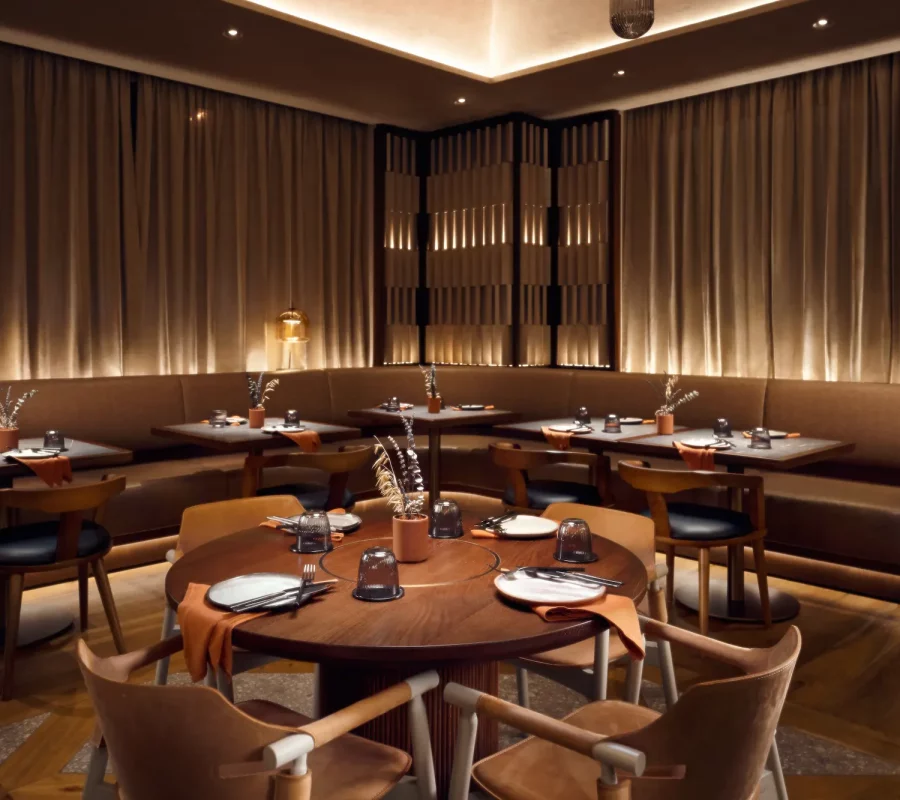
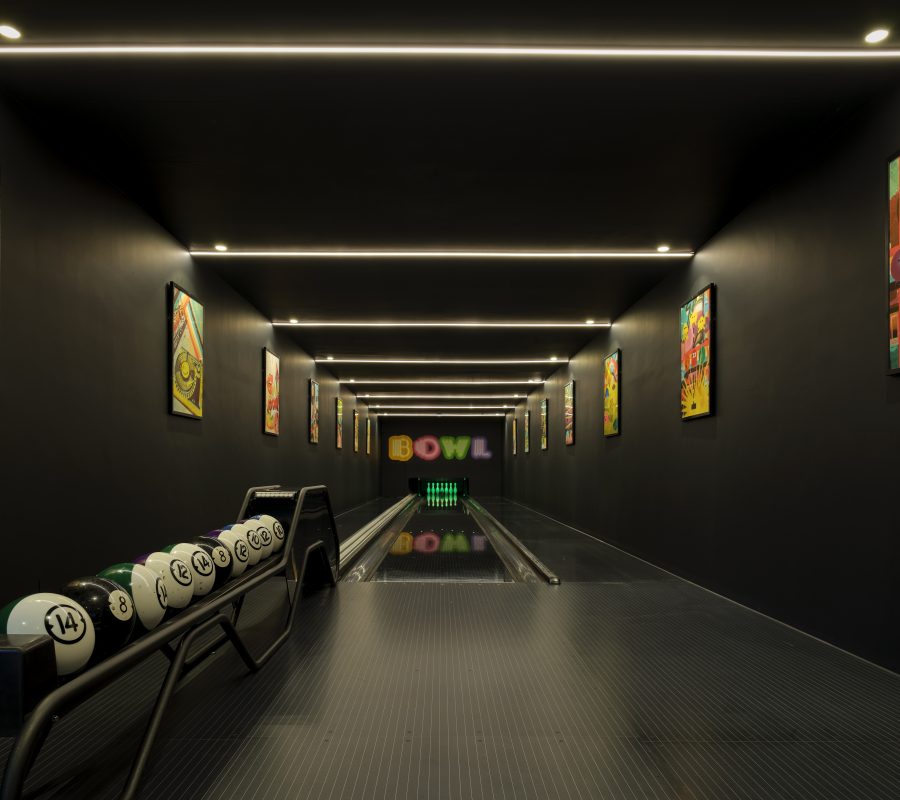
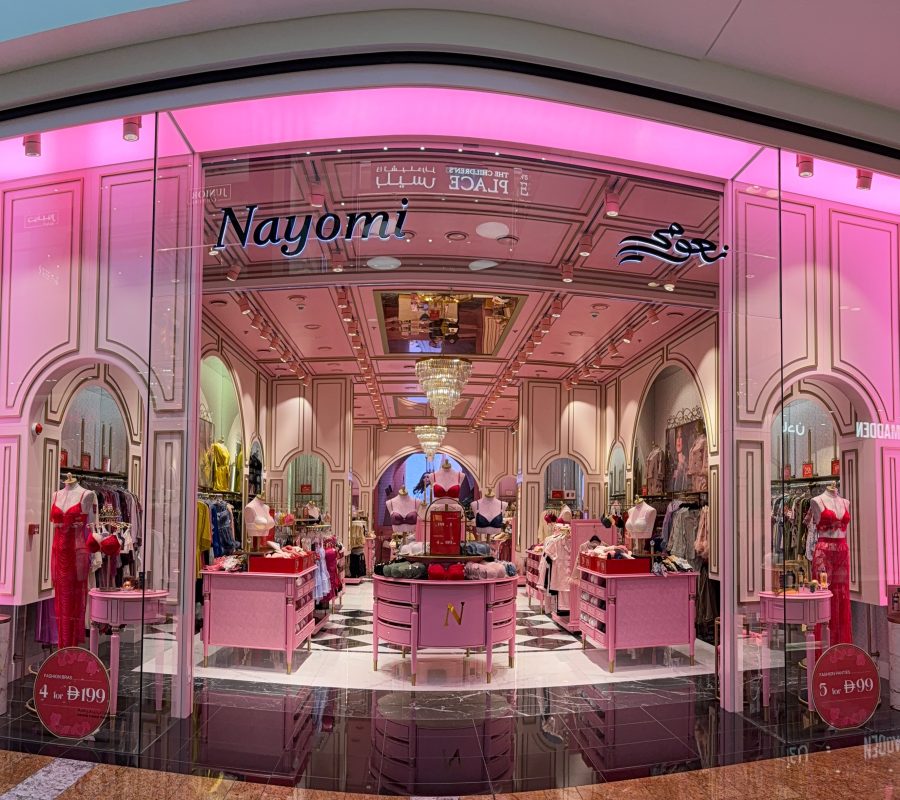
LED strip lighting in particular transformed what was possible at the specification stage. Continuous runs of light without visible hot spots, tunable colour temperatures, RGBW capability for dynamic colour-changing effects, these moved from luxury features to standard specification options within the space of a few years. For hospitality and retail clients especially, the ability to shift the mood of a space through light alone became a genuine competitive advantage.
The Rise of Smart Controls Light as an Experience
Efficiency was the first argument for smart lighting control systems. Occupancy sensors, daylight harvesting and scheduled dimming made an immediate commercial case in office and retail environments where energy bills were a meaningful operational cost.
But the more significant shift was cultural. As building management systems became more sophisticated and more accessible, designers and clients began to understand that lighting control was not simply about switching lights on and off more intelligently; it was about programming the emotional register of a space across the course of a day.
A hotel lobby that feels energising at breakfast, calm and focused at midday and warm and intimate by evening is not three different lobbies. It is one well-controlled lighting scheme. The technology to achieve this has become increasingly affordable and increasingly integrated, moving from dedicated control panels to app-based interfaces and now to voice-activated and AI-assisted systems that learn occupancy patterns and adjust automatically.
For specification professionals, this shift has fundamentally changed the brief. Lighting design is no longer a standalone discipline that ends at installation; it is an ongoing, programmable experience that requires close collaboration between lighting designers, controls engineers and the end client.
Wellbeing Moves to the Centre of the Brief
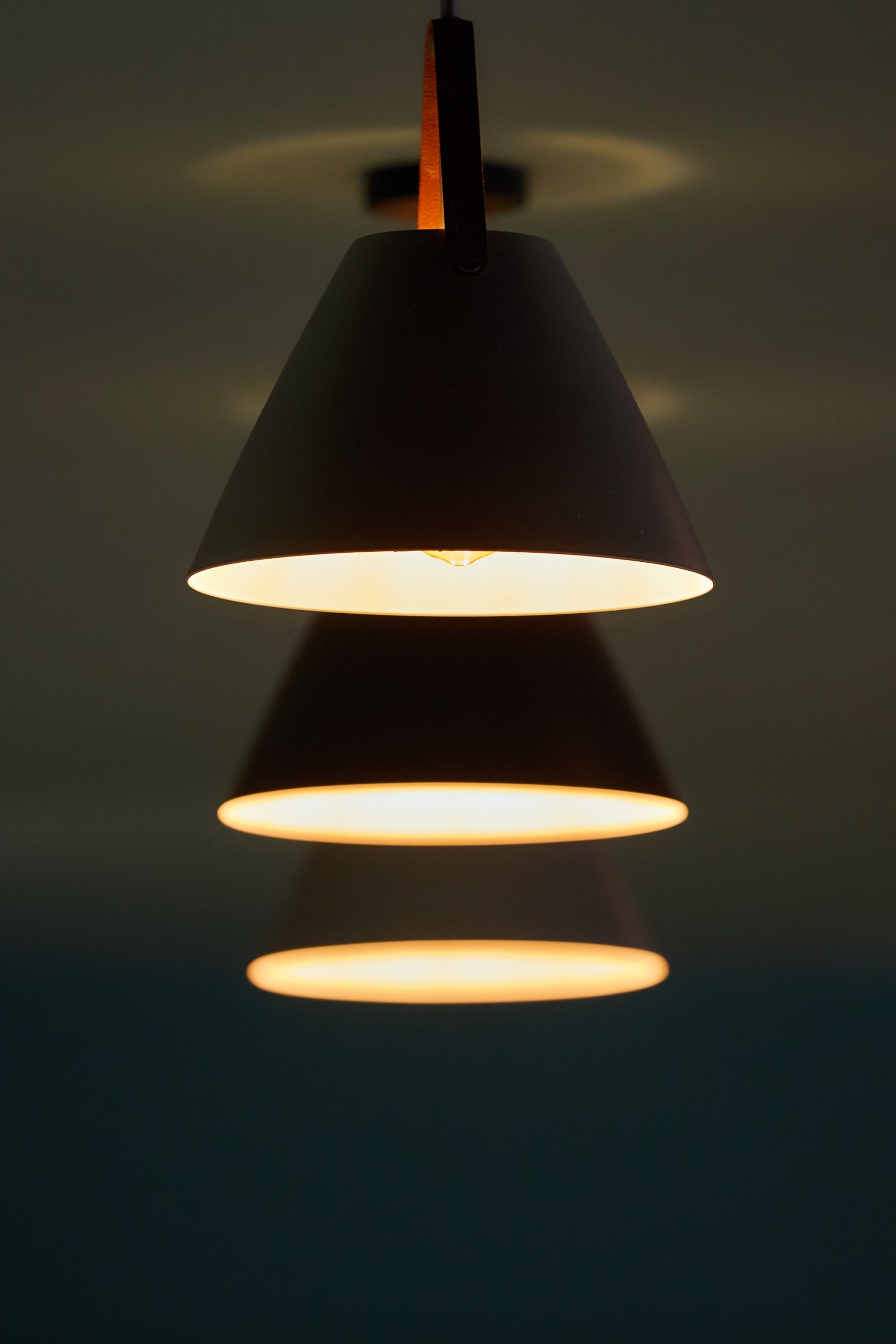
Perhaps the most significant change of the last decade has been the mainstreaming of human-centric lighting as a core specification consideration rather than an optional extra. The research connecting light exposure to circadian rhythm, sleep quality, mood and cognitive performance has moved from academic journals into the briefing room.
Standards such as WELL and BREEAM now include specific lighting criteria. Clients in the healthcare, education and workplace sectors are increasingly asking not just how bright a space will be but what the light will do to the people who occupy it over the course of a working day.
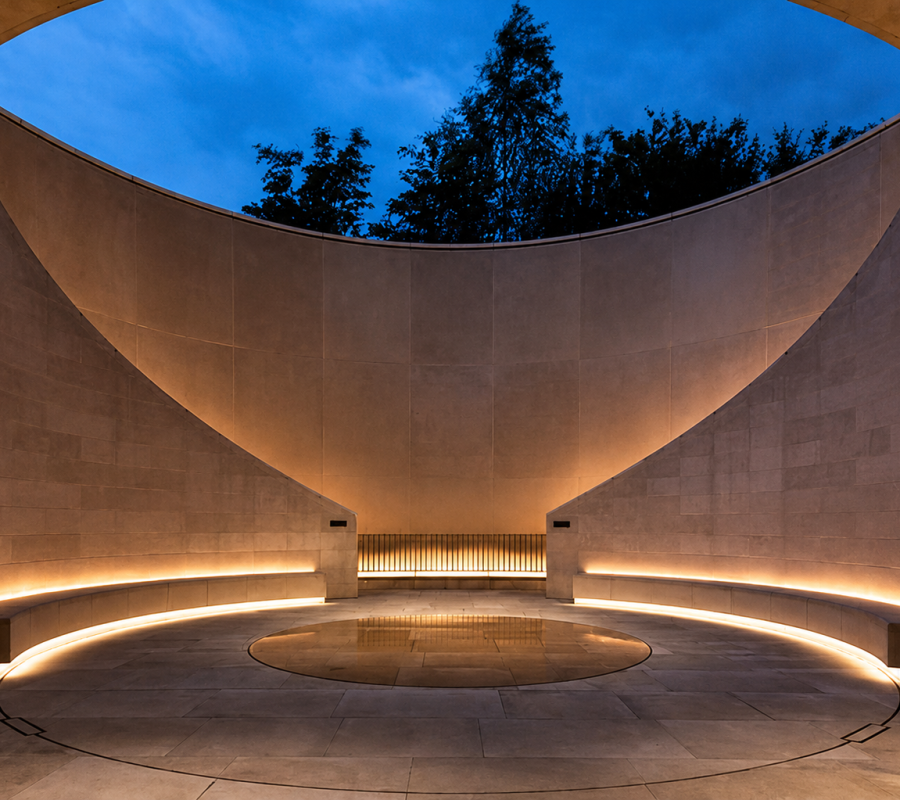
This has driven significant growth in acoustic lighting solutions products that address both the acoustic performance and the lighting quality of a space simultaneously as well as in tunable white technology that can shift colour temperature across the day to support natural alertness cycles. The integration of linear lighting systems into ceiling architecture, rather than simply surface-mounting them, reflects a broader move towards lighting that feels considered and intentional rather than applied and functional.
The wellbeing agenda has also accelerated the growth of bespoke lighting solutions because spaces designed around human experience tend to resist off-the-shelf answers. A hospital corridor, a school classroom and a Michelin-starred restaurant all have fundamentally different human-centric lighting requirements, and meeting those requirements with precision increasingly means designing and manufacturing solutions that do not exist in any catalogue.
What the Next Wave of Change Looks Like
The trends already visible at the leading edge of the industry point clearly towards where architectural lighting design is heading next.
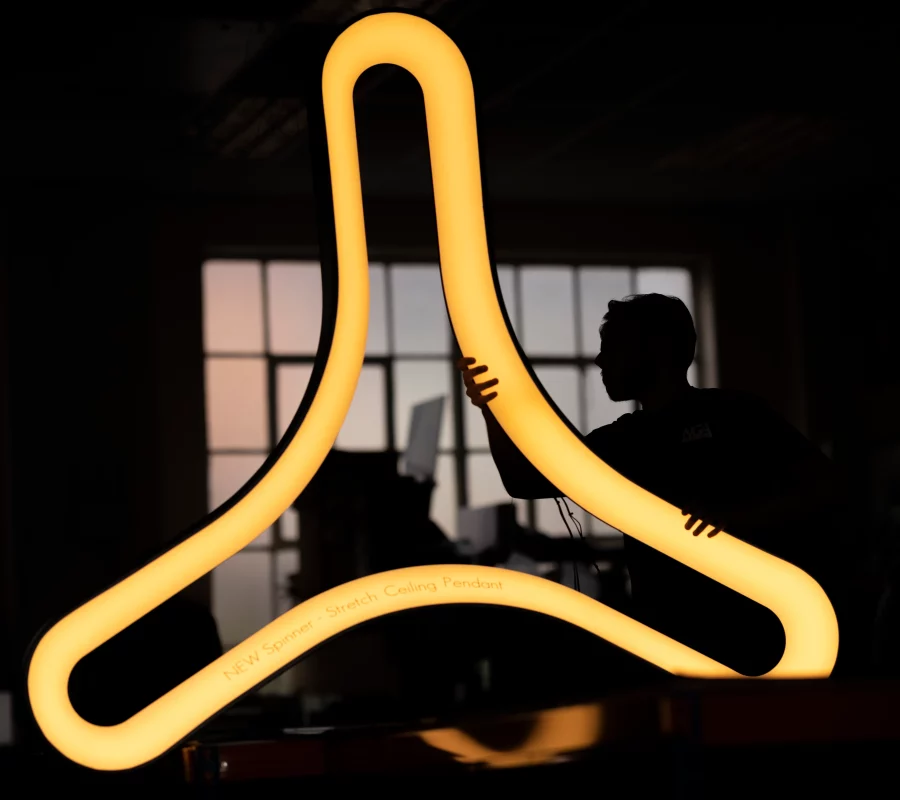
Integration will deepen. The boundary between lighting, acoustics and structure is already dissolving in high-specification projects acoustic ceiling systems that incorporate light sources, stretch ceiling installations that diffuse light uniformly across an entire plane, and decorative light fixtures that serve as architectural statements as much as functional sources. This convergence will only accelerate.
Sustainability will become non-negotiable. The focus on embodied carbon, recyclability and the longevity of lighting installations is intensifying. Clients and specifiers are increasingly asking not just about energy consumption in use but about the full lifecycle impact of the products they specify. Manufacturers who can answer that question credibly will have a significant advantage.
Data will become part of the product. Lighting systems that monitor space utilisation, air quality and occupancy patterns feeding that data back into building management systems are already in deployment in advanced workplace and retail environments. As the cost of sensor technology continues to fall, this capability will become a standard expectation rather than a premium feature.
The decade ahead will reward designers, manufacturers and suppliers who understand that light is not a commodity. It is the medium through which architecture is experienced, through which spaces communicate their purpose and through which people, whether they realise it or not, are profoundly affected every single day. The question is no longer whether your lighting strategy can keep up, but whether it is actively setting the standard. If you are still approaching lighting as an afterthought, it is time to change that. To see what that shift looks like in practice, explore custom lighting solutions, browse the full lighting range, and contact our team to start shaping your next project.